

Statins, Diuretics, and Other Common Heart Drugs Do Not Worsen Survival in Multiple Myeloma, Scientists Report
Cardiovascular medications and treatment outcomes in multiple myeloma: insights from phase III clinical trials. Scientific Reports (2026). DOI: https://doi.org/10.1038/s41598-026-37464-4
Commonly prescribed heart medications, including statins and diuretics, do not negatively affect the survival of patients with multiple myeloma.
SHARJAH, EMIRATE OF SHARJAH, UNITED ARAB EMIRATES, March 1, 2026 /EINPresswire.com/ -- Commonly prescribed cardiovascular medications—such as statins, diuretics, and blood pressure drugs—appear to have little or no negative impact on survival among people living with multiple myeloma, according to new international research.
The study, published in Scientific Reports, reflects a collaboration among scientists and oncologists in the United States, Australia, Qatar, and the United Arab Emirates (UAE). (https://doi.org/10.1038/s41598-026-37464-4)
“Many patients with multiple myeloma require cardiovascular medications. Our results support the idea that several common drug classes can often be continued without clear evidence of harming survival outcomes in the trial setting,” said Dr. Ahmad Abuhelwa, Associate Professor of Clinical Pharmacology and Pharmacometrics at the University of Sharjah and the study’s lead author.
Multiple myeloma primarily affects adults, many of whom take medications for heart and blood vessel conditions—including antihypertensive agents, cholesterol-lowering therapies, and drugs used to manage heart rhythm disorders.
Despite their widespread use, there has been limited evidence on whether these medications influence cancer progression, survival, or treatment-related side effects when patients undergo modern myeloma therapies in large clinical trials.
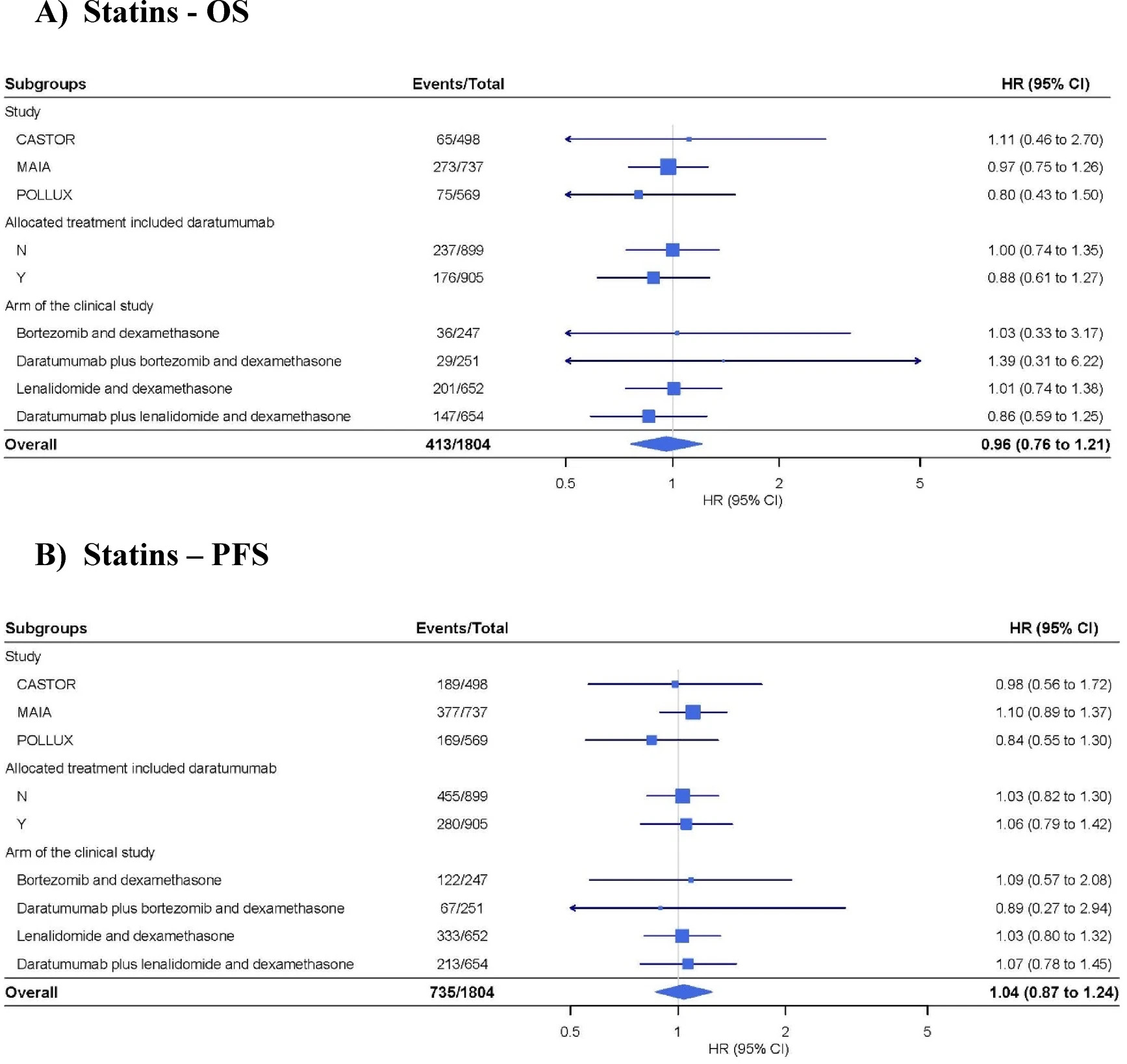
To address this gap, the researchers analyzed data from three major Phase III clinical trials in multiple myeloma (MAIA, POLLUX, and CASTOR), encompassing a total of 1,804 patients. They assessed whether participants who were already taking widely used cardiovascular drug classes at the start of treatment experienced differences in key outcomes such as progression-free survival, overall survival, or rate of serious adverse events related to treatment.
“Overall, our results were reassuring, as most of the cardiovascular medication classes we studied were not associated with worse survival outcomes in these trials after adjustment for clinical factors,” explains Dr. Abuhelwa.
Risks and benefits of cardiovascular medications
Multiple myeloma, although a relatively rare disease, is the second most common cancer among adults over 65. Its incidence is estimated to account for 1-2% of all cancer and 10% of hematological malignancies. It is a form of blood cancer that arises in the bone marrow from malignant plasma cells, leading to an excessive and rapid accumulation of abnormal plasma cells.
In their investigations, the authors observed that the use of ACE inhibitors or angiotensin receptor blockers (ARBs) was not only associated with longer progression-free survival but also with higher odds of severe (grade ≥3) adverse events. These adverse signals included kidney-related and metabolic complications.
ACE inhibitors, short for angiotensin‑converting enzyme inhibitors, and ARBs are two widely used classes of medications prescribed primarily for high blood pressure and protecting the heart and kidneys.
In their analysis, the authors evaluated the effects of commonly used cardiovascular medications in patients with multiple myeloma. These widely prescribed drugs, used to manage high blood pressure, heart disease, and cholesterol, include antihypertensives, beta-blockers, ACE inhibitors, diuretics, and statins.
Dr. Abuhelwa described the findings as “good news for patients on heart meds: In these large myeloma trials, people who were already taking many common heart or blood-pressure medicines did not appear to have worse survival outcomes overall.”
Among the medications examined, ACE inhibitors/ARBs stood out, with patients on these medications showing indications of better disease control long before the myeloma progressed. However, these same patients, on average, exhibited more serious side effects.
Still, Dr. Abuhelwa strongly emphasized that this observation should not be interpreted as “a reason to stop these medications automatically; it’s a reason to monitor smarter and study the question more carefully. Cardiovascular medications are not just background—they’re part of real-world cancer care, and we should study them systematically to improve safety.”
Heart medications, survival and cancer safety
These findings do not establish cause and effect, but they raise an important, practical question: how can clinicians optimize cardiovascular supportive care while maintaining safety for patients undergoing myeloma treatment?
Co-author Humaid Al-Shamsi, Professor of Medical Oncology at the Dana-Farber Cancer Institute, Harvard Medical School, noted that the work, at this stage, primarily captured the attention of clinicians and academic oncologists, as it addresses a common real-world challenge doctors face every day.
“In the clinic, patients often ask whether their heart medications will interfere with cancer treatment. Studies like this help us answer with evidence—and identify where closer monitoring might be needed,” Prof. Al-Shamsi, who is also a consultant oncologist and the CEO of Burjeel Cancer Institute in the UAE, said. He went on to say that the findings hold strong potential relevance for stakeholders outside academia.
The study highlights the need for more systematic collection and analysis of concomitant medications in oncology trials and real-world registries. Better data, the authors argue, will allow clinicians to anticipate adverse events more accurately and tailor supportive care to individual patients.
“The signal seen with ACE inhibitors/ARBs suggests clinicians may want to pay closer attention to safety, especially kidney function and metabolic parameters, in patients on these agents during therapy—particularly in older or more vulnerable patients,” said co-author Dr. Ziad Abuhelwa, a Hematology and Medical Oncology Fellow at the H. Lee Moffitt Cancer Center in Tampa, Florida.
Looking ahead, Dr. Abuhelwa emphasized that he and his colleagues aim to expand beyond drug classes alone: “We want to evaluate dose, duration, adherence, treatment changes during therapy, and interactions with specific myeloma regimens to develop practical risk-stratification approaches to identify which patients can safely continue certain cardiovascular drugs and who may benefit from closer monitoring or medication review.”
Dr. Abuhelwa expressed optimism about the implications of the work, noting that the findings provide clear evidence to both clinicians and myeloma patients that “several common cardiovascular drug classes were not linked to worse survival outcomes in these Phase III trials after adjustment for key clinical factors.
“Most myeloma patients aren’t just fighting cancer—they’re also managing blood pressure, cholesterol, and other cardiovascular conditions. We wanted to understand whether these everyday medications change cancer outcomes or safety in the context of modern myeloma therapy.”
(Original Source URL: https://www.nature.com/articles/s41598-026-37464-4)
Leon Barkho
University Of Sharjah
+971 50 165 3476
email us here
Legal Disclaimer:
EIN Presswire provides this news content "as is" without warranty of any kind. We do not accept any responsibility or liability for the accuracy, content, images, videos, licenses, completeness, legality, or reliability of the information contained in this article. If you have any complaints or copyright issues related to this article, kindly contact the author above.
